Employers made 5 proposals to mitigate the impact of the Iran crisis
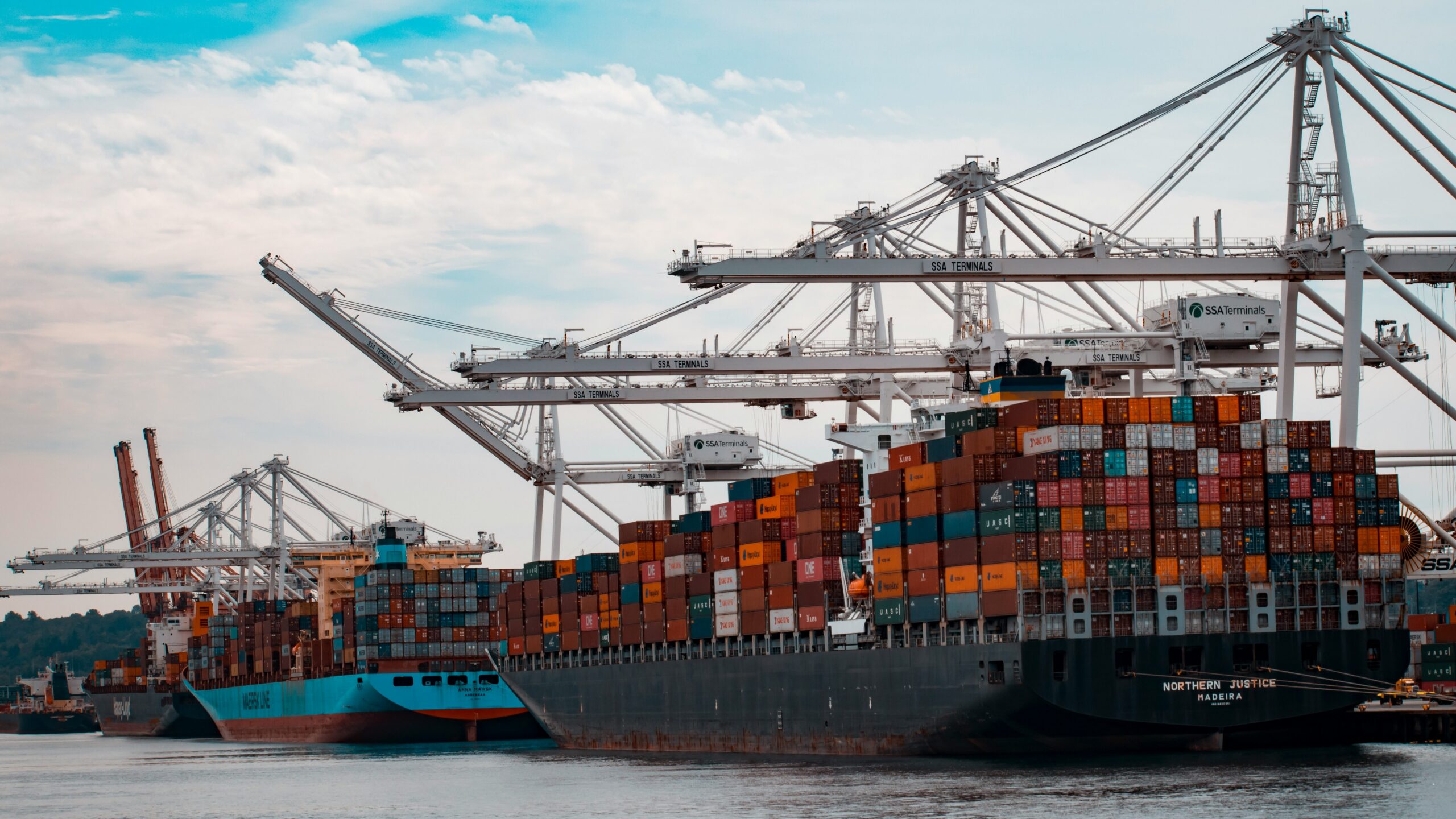
Feedback from members of the Estonian Employers’ Confederation, which represents major employers, confirms that the impact of the war in Iran on the economy is not temporary and the effects threaten to become long-term. Therefore, the confederation made five proposals to the government to mitigate the effects of the war.
The impact of the war on the Estonian economy has already manifested in several sectors, both directly through the price increase of fuel and energy carriers, and indirectly through the rising cost of materials and disruptions in supply chains. Feedback from companies confirms that this is not merely a temporary problem and the effects threaten to become long-term, explained Hando Sutter, CEO of the confederation, in a letter sent to the government.
“In summary, the experience of entrepreneurs shows that the impact of the Iran crisis is broad-based, cross-sectoral, and manifests simultaneously as price pressure, availability of goods, and increased contractual risks,” Sutter emphasized. For example, entrepreneurs have highlighted problems with current and future public procurements as a cross-sectoral issue – due to the crisis, changes in key input prices are unpredictable, and therefore it would be sensible to index them, and existing contracts should be treated with flexibility.
For instance, in waste management, furniture manufacturing, and other sectors related to public procurement, the rising cost of fuel makes fulfilling fixed-price contracts increasingly difficult for businesses.
At the same time, specific problems regarding the availability and price of other materials have emerged in many sectors.
In the plastics industry, a sharp price increase and supply risks for oil-based raw materials (e.g., high-density polyethylene HDPE and polypropylene PP) are noticeable, while the food industry is experiencing shortages of packaging materials, including PET bottles, and a surge in fertilizer prices.
In the furniture and construction sectors, the rise in raw material prices related to petrochemicals is being passed on to the price of end products, which current contracts do not cover.
Supply chain disruptions have also become a significant problem. Even in the ICT sector, instability in hardware deliveries and significantly longer lead times have led to a situation where fulfilling previously concluded contracts and public procurement bids has become difficult. In the food industry, exports particularly towards Asia have stalled in several cases because suitable transport solutions cannot be found.
Most neighboring countries are known to have begun implementing measures to mitigate the effects of the war. Supportive measures in neighboring countries may put Estonian companies at a competitive disadvantage, and the reactions of key export markets must be closely monitored. As the state of public finances is already strained, the confederation strongly recommends planning government sector spending transparently and conservatively, prioritizing increased spending only for improving security and crisis resilience.
Employers’ 5 proposals for mitigating the Iran crisis
As a result of the discussion held by the confederation’s council on April 15, the association makes the following proposals to the Government of the Republic:
1. Convene a regular crisis committee that includes representatives of business organizations. The committee should propose concrete plans for solving the most critical problems for scenarios of varying durations and ensure that information about the situation is constantly provided.
2. Find flexible solutions for existing public procurement contracts that cannot be fulfilled under the prescribed conditions due to significant input price increases or supply difficulties. Treat the situation as extraordinary and do not demand liquidated damages. Where possible, implement indexing of input prices or consider organizing new tenders. For new tenders, use indexing of volatile input prices more extensively.
3. Consider temporarily implementing lower interest rates or suspending interest on the deferral of tax debt and offering financial instruments through EIS to solve liquidity problems caused by the crisis.
4. Make preparations to ensure energy supply at reasonable prices for the upcoming winter. In addition to the need to cover peak electricity production on a larger scale with oil shale power plants, a need to use shale oil in district heating may arise, similar to the winter of 2021/22.
5. Regularly monitor the crisis mitigation measures of our main export markets (Nordic countries, Latvia, Lithuania) to adapt Estonia’s interventions if necessary to maintain the competitiveness of exporters.
Read the Employers’ appeal here (PDF file in Estonian).